Fish farming is the backbone of many communities in Bangladesh, fueling livelihoods, food security, and economic growth. Yet, beneath the surface of this thriving industry lies a silent threat—fish diseases. These outbreaks can devastate farms, costing farmers dearly. Did you know that fish diseases lead to an average economic loss of Tk.20,615 per hectare per year in Bangladesh? That’s roughly 15% of total production wiped out!
In this blog, we’ll dive into practical, proven strategies to prevent diseases in fish farms across Bangladesh. Whether you’re a seasoned farmer or just starting out, these tips—rooted in expert advice and real-world data—will help you safeguard your fish, boost yields, and protect your income. Let’s explore biosecurity measures, quality seed selection, farmer training, stress management, and the economic stakes at play.
1. Strengthen Your Farm with Biosecurity Measures
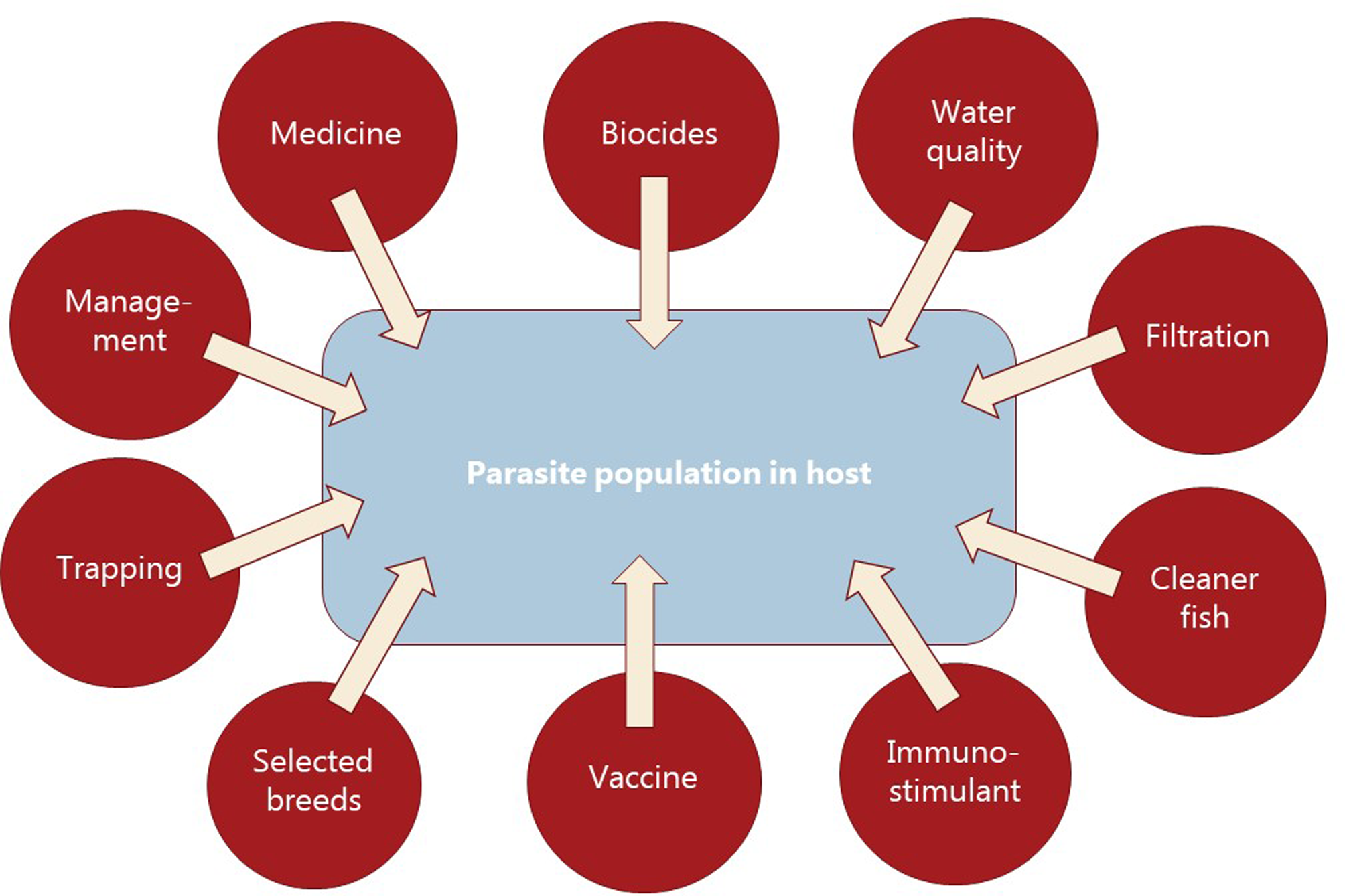
Biosecurity is your farm’s first line of defense against disease-causing pathogens. Simple yet effective practices can stop trouble before it starts. Here’s how:
- Shut Down Water Systems During Outbreaks: If a nearby farm reports a disease, close off your water intake. This prevents contaminated water from sneaking into your ponds.
- Sun-Dry Ponds Between Cycles: After harvesting, drain your ponds and let the sun do its work for at least two weeks. Add lime to zap any lingering pathogens.
- Remove Dead Fish Daily: Dead fish are breeding grounds for disease. Check your ponds every day and dispose of any casualties properly.
These steps align with good management practices recommended by organizations like WorldFish. They’re easy to implement and can make a world of difference in keeping your fish farm disease-free.
2. Start Strong with Quality Seed
Your fish or shrimp seed is the foundation of your farm. Poor-quality seed sets you up for failure, while high-quality seed paves the way for success. Here’s why it matters:
- Opt for PCR-Tested Shrimp Post-Larvae: For shrimp farmers, using post-larvae tested for diseases like white spot syndrome virus is a game-changer. Thanks to Bangladesh’s Hatchery Act of 2010-11, access to PCR-tested seed has grown. Between 2011-12 and 2014-15, production yields jumped by 26% after distributing 448 million tested post-larvae in 2014-15 alone.
Investing in quality seed isn’t just about meeting regulations—it’s about building a resilient, productive farm that thrives year after year.
3. Empower Yourself with Farmer Training
Knowledge is your secret weapon against fish farm diseases. Many outbreaks stem from a lack of know-how, but training can turn that around. Here’s what you need to know:
- Tap Into Expert-Led Programs: Organizations like WorldFish offer hands-on training covering pond preparation, stocking rates, feed management, and water quality. These skills are essential for disease prevention.
- Real Success Stories: Take Ali Akkas, a Bangladeshi farmer who transformed his farm after training. In 2014, he harvested 100 kg of shrimp and 120 kg of prawn. By 2015, he had another 100 kg ready—with more still growing. Training gave him the tools to succeed.
Sign up for a training session near you. It’s an investment in your farm’s future that pays off in healthier fish and higher profits.
4. Keep Stress at Bay for Healthier Fish
Stress isn’t just a human problem—fish feel it too. When stressed, their immune systems weaken, leaving them vulnerable to diseases. Here’s how to keep your fish happy and healthy:
- Monitor Water Quality: Track oxygen levels, temperature, and salinity daily. Sudden shifts can stress fish out. Use aeration if oxygen drops and tweak water conditions as needed.
- Prepare for Seasonal Challenges: Winter often brings a spike in diseases. At the season’s start, treat ponds with lime and salt, disinfect equipment, and maintain optimal water levels.
A stress-free environment doesn’t just prevent diseases—it helps your fish grow stronger and faster.
5. Grasp the Economic Impact of Disease Prevention
Why go all-in on disease prevention? The numbers tell a compelling story:
- Heavy Losses: Fish diseases cost farmers Tk.20,615 per hectare annually. For shrimp farms, it’s even worse—back in 1996, white spot syndrome virus slashed production by 44.4% and export income by 42.3%.
- Community Stakes: With over 380,000 people relying on shrimp farming alone, outbreaks hit hard, especially for low-income families who depend on this income.
Prevention isn’t just about saving fish—it’s about protecting livelihoods, supporting communities, and ensuring a sustainable aquaculture industry in Bangladesh.
Conclusion: Take Action Today
Preventing diseases in fish farms in Bangladesh is a challenge worth tackling. By embracing biosecurity measures, choosing quality seed, seeking out training, managing stress factors, and understanding the economic stakes, you can protect your farm and secure your future.
The key takeaway? Prevention beats cure every time. Start applying these tips today, and watch your fish farm—and your community—flourish. Healthy fish mean a thriving Bangladesh!